



The Dirty Truth About Dishwashing: How to Finally Get Spotless Plates Without the Scrub
The Never-Ending Chore: Why Dishwashing Deserves a Rethink
Let’s talk about the most relentless, inescapable reality of domestic life: the dishes. No matter how meticulously you plan your meals or how often you vow to clean as you cook, the kitchen sink always seems to magically refill itself. It is the final hurdle standing between you and a relaxing evening, a chore that resets every single day.
But if we are being completely honest, the sheer volume of dishes isn’t even the most frustrating part.
The true pain point lies in the maddening lack of results. If you have ever spent twenty minutes scrubbing baked-on lasagna off a casserole dish, or unloaded what was supposed to be a “clean” dishwasher only to find cloudy wine glasses, water spots, and hardened oatmeal still clinging to your bowls, you know the exact definition of culinary despair. We pour thick, neon-colored gels into our machines or scrub until our knuckles are raw, yet we are constantly met with subpar results.
Furthermore, there is a growing, quiet anxiety regarding what we are actually putting on the items we eat off of. We are surrounded by giant, heavy plastic jugs filled with harsh synthetic chemicals, artificial fragrances, and aggressive dyes. The lingering, soapy taste on your favorite coffee mug isn’t just annoying; it is a glaring sign that your dishware cleaning routine is leaving behind a toxic residue.
It shouldn’t be this difficult to achieve a sparkling clean kitchen. Upgrading your dishwashing strategy isn’t just about saving time; it is about protecting your family’s health and preserving the lifespan of your valuable cookware.
Mastering the Sink: Expert Insights on Dish Care
Achieving flawless, residue-free dishes requires looking past the marketing jargon on standard detergent bottles and understanding the actual science of cleaning. As a home care and efficiency advocate, I have learned that a few strategic adjustments can completely transform your post-dinner routine. Here are three crucial principles to elevate your dishwashing game:
1. The Pre-Rinsing Myth
One of the most persistent myths in modern kitchen care is the idea that you need to practically wash your dishes before putting them in the dishwasher. This actually works against you.
- Trust the Enzymes: High-quality dish detergents rely on specialized enzymes designed to seek out and break down food proteins and starches. If you rinse all the food off beforehand, these enzymes have nothing to attach to, which can actually lead to them etching and clouding your glassware instead.
- Scrape, Don’t Rinse: Save your time and your hot water. Simply scrape the solid food debris into the compost or trash, and let the machine do the heavy lifting it was engineered to do.
2. Beware the “Chemical Cocktail”
The vibrant colors and strong “mountain breeze” scents of conventional dish soaps are not indicators of cleaning power; they are often masks for harsh ingredients.
- Phosphate and Sulfate Dangers: For years, the industry relied on phosphates to soften water and sulfates to create massive amounts of foam. While they look effective, they are notoriously difficult to rinse away completely, leaving an invisible, bitter film on your plates.
- The Scent Trap: Artificial fragrances are designed to linger. If your plastic food storage containers smell like fake lemons after a wash, they are holding onto chemical residue that will eventually leach into your next meal.
3. Optimize Your Dishwasher’s Geography
Your dishwasher is a highly engineered appliance, but it requires a clear path to function correctly. Strategic loading is half the battle.
- Face the Center: The spray arms shoot water upward and outward from the center of the machine. Ensure the dirtiest parts of your plates and bowls are facing inward toward the water source.
- Mind the Traps: Never block the detergent dispenser door with a tall cutting board, and ensure no long utensils have fallen through the basket to obstruct the spinning spray arms below.
The Natural Transition: Merging Strategy with the Right Solution
Armed with these expert insights, you are already in a much better position to tackle the evening cleanup. You know to scrape instead of rinse, you understand the dangers of heavily perfumed chemicals, and you know exactly how to load your machine for maximum water flow.
However, even the most meticulous loading strategy will fail if you are relying on an outdated, ineffective cleaning agent. You can execute perfect kitchen hygiene, but if your detergent is packed with water, cheap fillers, and weak enzymes, you will still be left re-washing cloudy glasses and scrubbing greasy pans by hand.
True efficiency in the kitchen requires a formula that fundamentally understands the modern consumer’s needs. You need a cleaning agent that strips away the heaviest, baked-on grease without relying on toxic chemicals, and you need a brand that respects the environment enough to ditch the massive, single-use plastic jugs that clutter our landfills.
Experience the Power of Conscious Cleaning
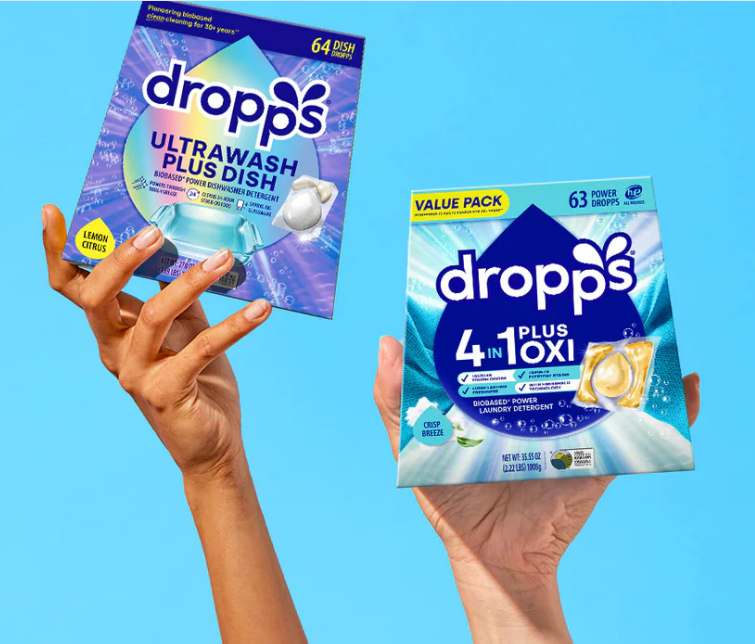
This is where true innovation changes the daily grind. When you are ready to stop compromising between powerful cleaning and eco-friendly safety, you need to bring Dropps into your kitchen.
Dropps has completely revolutionized the dish care industry by stripping away the unnecessary water, the giant plastic bottles, and the toxic synthetic dyes. Their highly concentrated, pre-measured dishwasher pods are powered by natural, plant-based enzymes that obliterate stubborn food and grease on the very first wash. Because they refuse to use harsh chemical fillers or artificial fragrances, your glasses emerge crystal clear, and your plates are left perfectly clean, with zero soapy residue to ruin your next meal.
By upgrading to Dropps, you are simplifying your routine, protecting your family from hidden toxins, and making a profound impact on the environment with their 100% plastic-free, compostable packaging. Stop struggling with heavy jugs and disappointing results. It is time to let brilliant, clean science do the dirty work for you.